ALL SPEAKERS
AT A GLANCE
Role
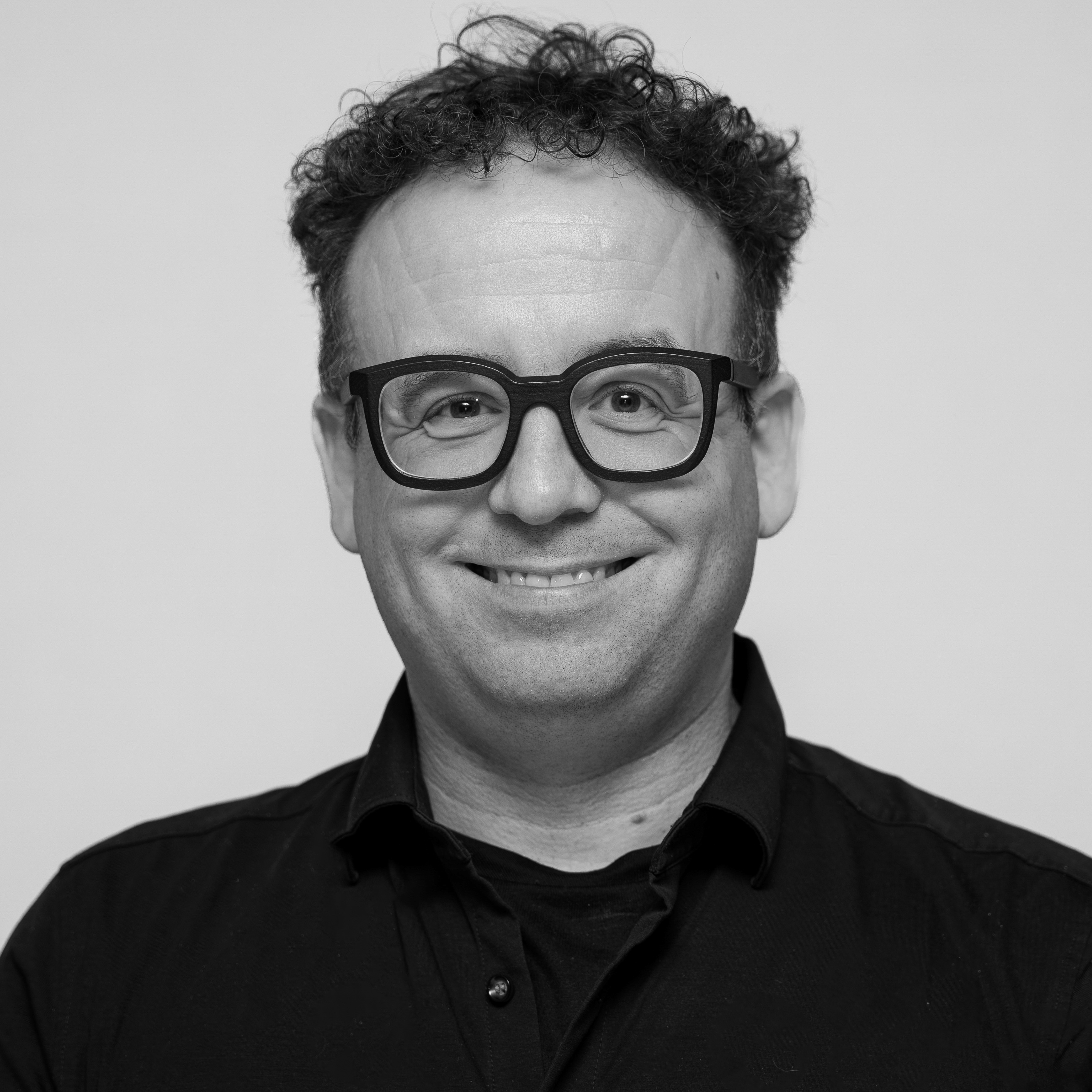
Independent Tech Consultant
Organisation
Michael Plöd Consulting
Category
Hero
ABOUT THE SPEAKER
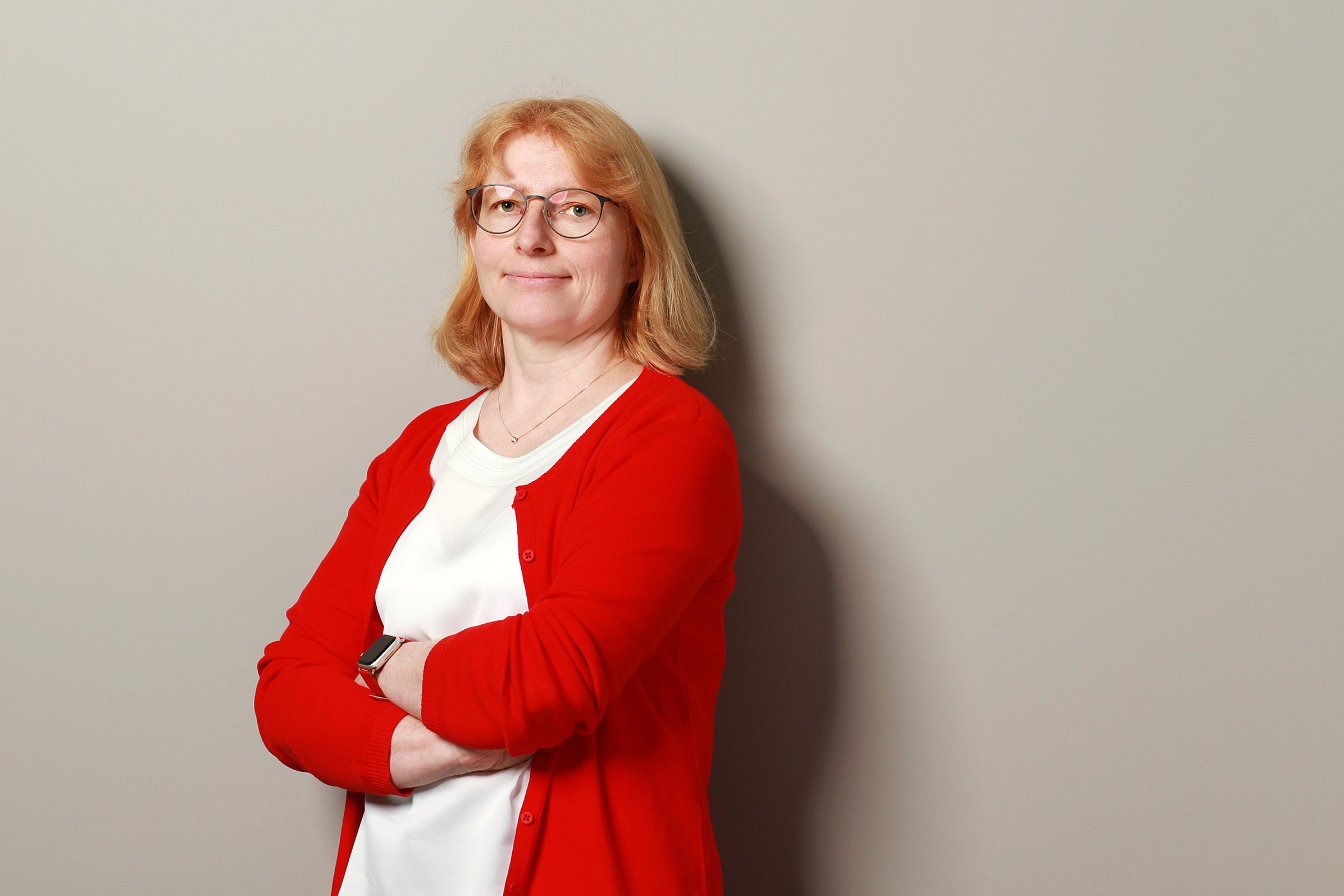
Michael works as an independent tech consultant with 20+ years of experience specialized in Domain Driven Design, Team Topologies, Software Architecture and Collaborative Modeling. He is a regular speaker at international conferences and an author. Michael is also an INNOQ Fellow and Team Topologies Advocate.
TALK
From Collaborative Modeling to AI-Ready Domain Knowledge
We have always emphasized shared understanding between domain experts and engineers. But today, there is a third participant in the room: AI agents. How do we establish shared understanding with something that doesn’t see our sticky notes, doesn’t attend our workshops, and doesn’t speak our Ubiquitous Language? We invest days in EventStorming sessions, Domain Storytelling workshops, and Context Mapping exercises. We create rich, nuanced models of our domains and then reduce all of that to vague prompts for AI coding assistants that have no awareness of our carefully modelled boundaries and language. This is a waste. A serious one. In this talk, I challenge how we treat the outputs of collaborative modeling. Instead of short-lived and vague workshop artifacts, we need to turn them into structured, persistent domain knowledge that can actively guide and constrain AI-assisted development. We will explore how to transform insights from collaborative modeling workshops into executable specifications that bridge the gap between human understanding and AI-assisted implementation. These specifications become the interface where domain experts, engineers, and AI agents can finally meet.Concretely, we will look at how collaborative modeling outputs can be translated into structured, machine-readable artifacts such as domain glossaries, boundary definitions, and specification formats that can be embedded into AI development workflows as persistent context and guardrails, rather than being left behind as photos of sticky notes on a wall. Building on this, we will look at how such structured domain knowledge can feed into modern, decomposition-driven development approaches, enabling AI systems to operate within clearly defined domain boundaries instead of guessing their way through implementation. You will learn: - Why collaborative modeling outputs fail to survive contact with AI-assisted development - How to structure domain knowledge so it becomes usable beyond the workshop - How to turn Ubiquitous Language and Bounded Contexts into durable, enforceable constraints - How to close the loop between modeling sessions and AI-guided implementation
MORE VOICES
Other speakers at code.talks

See them live — and 100+ more.
One ticket, every track. Nov 4–5, 2026 at Kinopolis Hamburg.
Get your ticket