ALL SPEAKERS

Hero

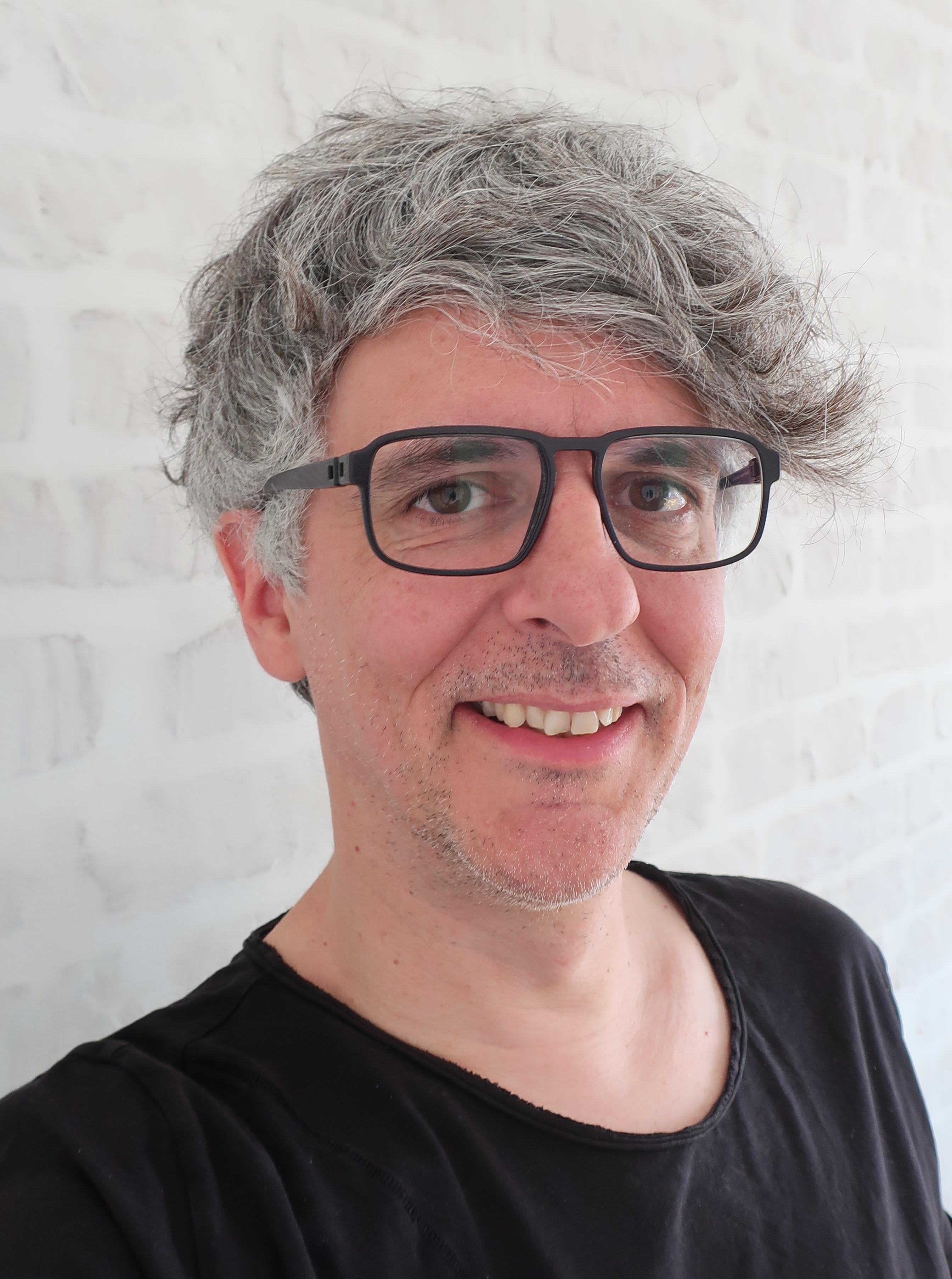
Nick Tune

Nick Tune

Software Engineer

PayFit

ABOUT THE SPEAKER

Author of Architecture Modernization (Manning), Curator of legacy-modernization.io and software engineer at PayFit

TALK

Lessons learned building a harness to rediscover and replace a legacy system

Can AI help us to modernize these 3 legacy systems faster? This was the question we asked ourselves after yet another bug that forced us to dig through the many synchronization issues and data inconsistencies that comes with trying to keep 3 services in sync. It was now the time to regroup the domain logic spread across the 3 services into a single service and codebase to avoid all these difficulties, and hopefully make these expansive changes across too many code repositories a thing of the past. Removing a system out of the equation was a good experimental field to see what AI could do in terms of legacy modernization. How can AI help us to go faster, learn faster, make better decisions....? We successfully achieved the goals of the project by creating our own harness and custom tools. This included capabilities mapping out the project as a mikado graph with a custom UI, subagents for analysing code and creating diagrams of it, generating migration plans, and providing a skill that could be used by teams to migrate their parts of the code. In this talk we will talk through the pieces of our harness, including what we learned and how we applied them to the project with concrete examples. We'll also share our learnings relevant to the important question: "do humans still need to understand the AI's code changes during a legacy migration or can we trust it without reviewing every line?"

MORE VOICES

Other speakers at code.talks
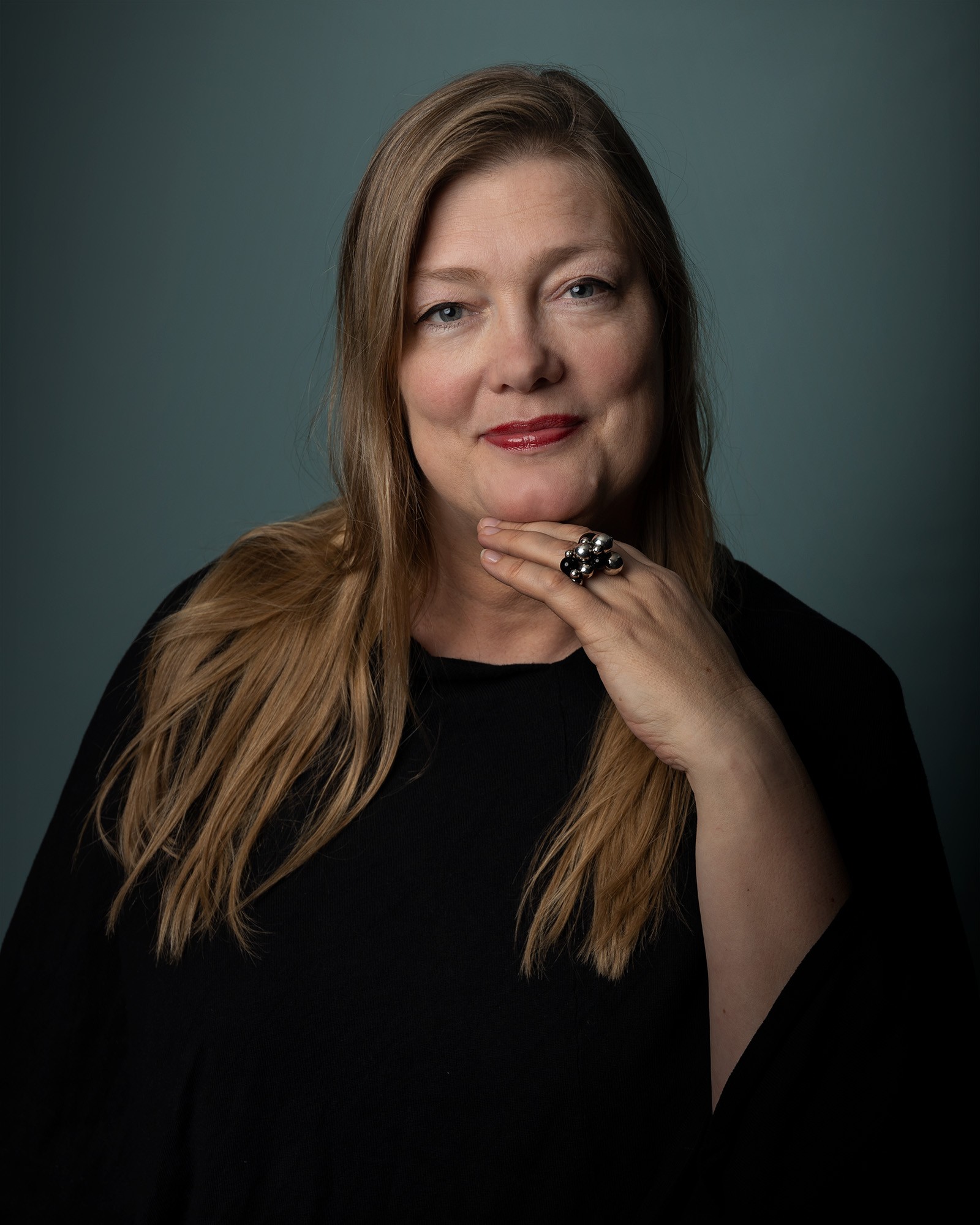
Aino Corry photo
Hero
Aino Corry
Instigator of Fun · Metadeveloper
#Culture
BIO
Aino Corry
Instigator of Fun · Metadeveloper

Aino Corry, author of "Retrospectives Antipatterns", is a teacher, a technical conference editor and retrospectives facilitator. She holds a masters degree and a ph.d. in computer science. She has 12 years of experience with Patterns in Software Development, and 25 years of experience with agile processes in academia and industry (in other words; she is old). She also teaches how to teach Computer Science to teachers, and thus lives up to the name of her company; Metadeveloper. In her spare time, she runs and sings (but not at the same time).

More info →
Andreas Rossberg photo
Hero
Andreas Rossberg
Researcher and Engineer · Independent
#Science
BIO
Andreas Rossberg
Researcher and Engineer · Independent

Andreas Rossberg is an independent researcher and engineer. By a few twists of fate, he became one of the designers of WebAssembly, author of its formalisation and specification, and champion of various proposals for enhancements. For a while, he was a Staff Software Engineer at Google, where he worked on V8, the JavaScript/Wasm virtual machine, and led V8's language feature team. Before his time in industry he was a post-doc researcher at the Max Planck Institute for Software Systems after receiving a Dr from Saarland University. His research interests mainly revolve around programming languages, ranging from foundational theory, over design, to implementation, as long as they aren't ugly.

More info →
Annette Bieniusa photo
Hero
Annette Bieniusa
Professor for Software Technology · RPTU Kaiserslautern-Landau
#Science
BIO
Annette Bieniusa
Professor for Software Technology · RPTU Kaiserslautern-Landau

Annette is a professor of Software Technology at the RPTU University Kaiserslautern-Landau. Her research interests include the semantics of concurrent and distributed programming, focusing on replication strategies and synchronization techniques. She is passionate about CRDTs, local-first software, programming languages, verification, and teaching students about all aspects of programming.

More info →
Artie Shevchenko photo
Hero
Artie Shevchenko
Software Engineer · Canva
#Craft
BIO
Artie Shevchenko
Software Engineer · Canva

Artie Shevchenko is the author of Code Health Guardian. A former Google software engineer and startup founder, he is currently a software engineer at Canva and a lecturer at ITMO University. Artie draws on broad industry experience spanning over 15 years to inform his pragmatic approach to code health. His career includes leadership and technical roles—as a CEO, engineering manager, and software engineer—in tech giants like Google and Canva as well as medium-sized companies and agile startups.

More info →

See them live — and 100+ more.

One ticket, every track. Nov 4–5, 2026 at Kinopolis Hamburg.

Get your ticket

Let’s connect on LinkedIn.

Speakers, program drops and much more of the community.

A 2-day sweet spot conference for the entire dev team to stay future-proof in the age of AI.

© 2026 code.talks · alphalist GmbH · Hamburg

Let’s connect on LinkedIn.

Speakers, program drops and much more of the community.

A 2-day sweet spot conference for the entire dev team to stay future-proof in the age of AI.

© 2026 code.talks · alphalist GmbH · Hamburg